

What the assessment looks at
- Who we support
- Children and young people, usually from the early years to 18, and young people up to 25
- Where we work
- In school or at home, in Leeds and across Yorkshire
- Fee
- From £1,000
- How to start
- Contact us directly. You don’t need a referral.
Assessments for children and young people having difficulties with reading, spelling, writing or other aspects of literacy. These explore underlying cognitive and processing skills alongside literacy attainment, to develop a clearer understanding of the child’s learning profile. Reports include practical, evidence-informed recommendations for home and school.
Dyslexia and diagnosis
We can explore whether a child’s profile is consistent with dyslexia. We gather developmental and educational information, consult you and your child’s school, and use appropriate standardised assessments, looking at the wider psychological profile rather than any single test score in isolation.
An educational psychology assessment is not automatically a formal diagnostic assessment for every condition it explores, and other specialist assessments may sometimes be required. Some conditions need assessment by appropriately qualified healthcare professionals or a multidisciplinary team. Where further specialist assessment may help, we’ll discuss it with you and give recommendations or signposting. Read about assessment and diagnosis.
Literacy difficulties we can help with
We support children and young people with difficulties such as:
- Difficulties learning to read or developing reading fluency
- Problems with spelling, phonological awareness or decoding
- Difficulties with reading comprehension
- Challenges with written expression, organising ideas or completing written tasks
- Persistent literacy difficulties despite additional teaching or intervention
Many children have difficulties in more than one area. A child with literacy difficulties, for example, may also find working memory, attention or emotional wellbeing hard.
Rather than considering each difficulty in isolation, we take a holistic approach to understanding your child: their strengths, developmental history, relationships, experiences and learning environment. The aim is not simply to identify difficulties or attach labels, but to understand why a child may be struggling, what support they need and how the adults around them can help them succeed.
See all the needs we can help withWhat an assessment involves
The exact process is tailored to your child and the questions you want answered. An assessment usually includes:
A consultation with you
We talk with you about your concerns and what you’d like to understand.
Information from school and existing reports
We gather information from your child’s school or setting, and review any relevant reports you already have.
Time with your child
We carry out the direct assessment with your child. This is often in school, which gives useful educational context and a chance to talk with staff, but it can be at home. We’ll agree the arrangements with you first.
A written report
Your psychological report sets out your child’s strengths, needs and recommendations for support.
Talking it through
Where appropriate, we talk the findings through with you and answer your questions. An EHCP assessment always includes this conversation.
How long the report takes
We aim to send your report within about three to four weeks of completing the assessment and receiving all the information we need. This is an aim, not a guarantee: a more complex assessment, school availability or a lot of information to review can mean it takes longer.
Fee
A dyslexia and literacy assessment is charged as an educational psychology assessment and report, from £1,000. More complex assessments are quoted individually. Travel and any additional work are quoted separately, and we’ll agree the scope and total fee with you before you book.
See what the assessment includesWho carries out the assessment
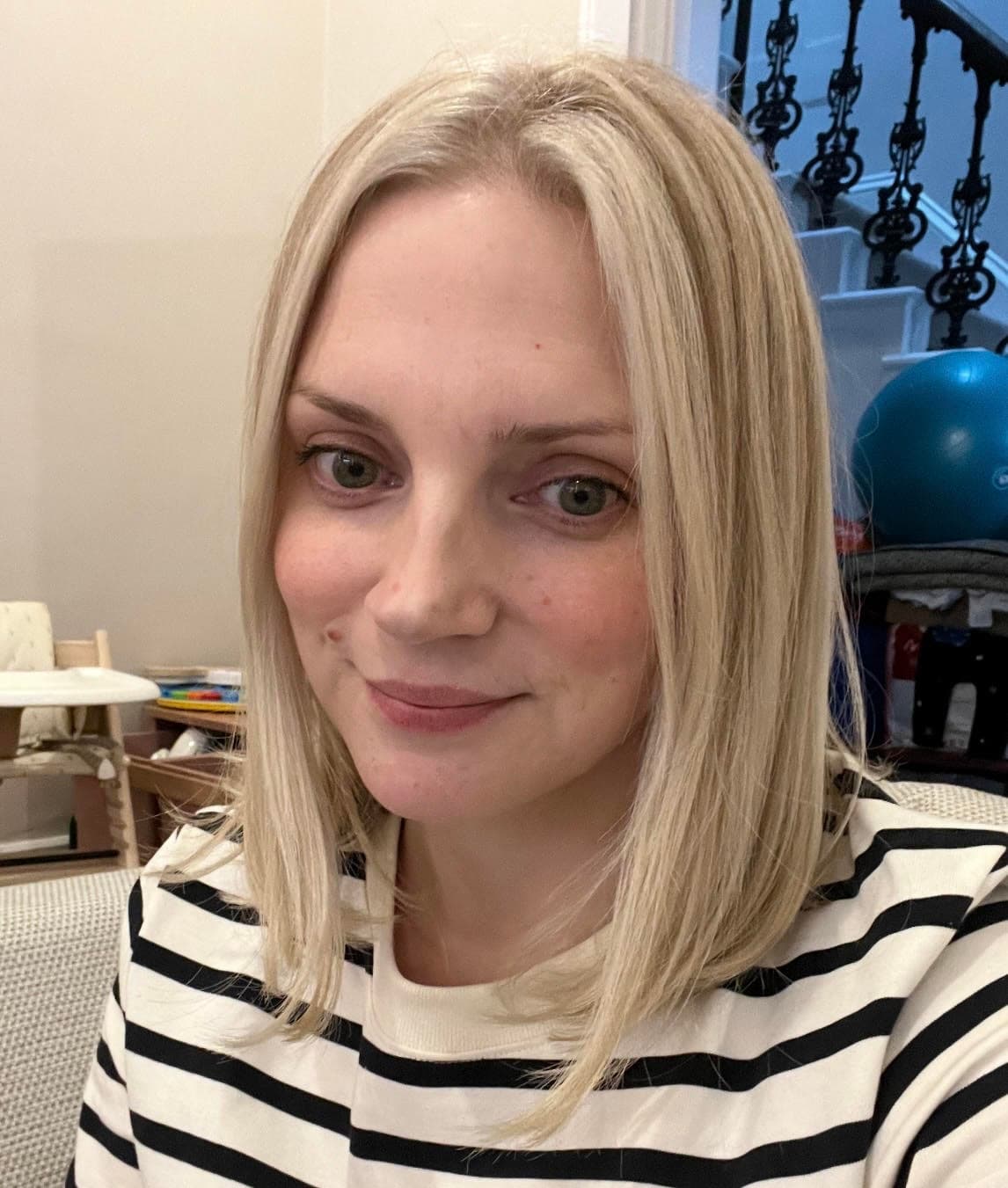
Dr Sophia Bentley
Educational and Child Psychologist
Sophia is Find A Way’s founder and has over 15 years’ experience working with local authorities, schools and communities, with children and young people from the early years to early adulthood. As a psychologist and a parent, she understands how overwhelming finding the right support can feel.
Registered with the Health and Care Professions Council (HCPC) as an educational psychologist, registration number PYL37228.
Meet Sophia